
As the leaves begin to fall and the colder weather comes rolling in, it’s about that time of the year to start prepping your home for the new season! Following a handy checklist for home maintenance tasks can help keep your home in tip-top shape and set you up for success during the winter months. After all, fall is meant to be spent enjoying crisp autumn air hikes and sipping on a pumpkin spice latte on your way to work — not dealing with a headache because you forgot to clean the gutters!
Clean Your Gutters
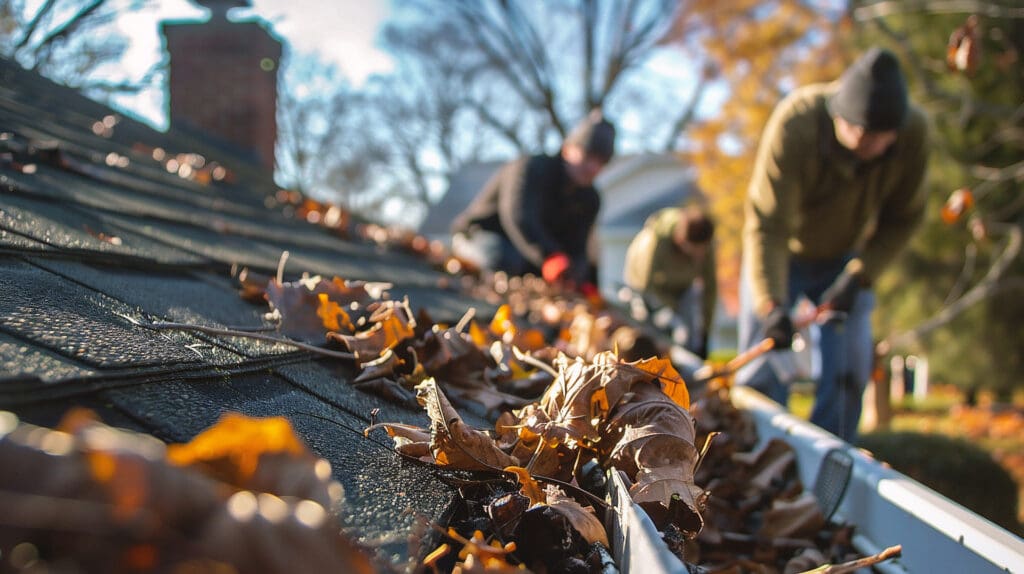
Help your drainage system work as efficiently as possible by keeping things running smoothly. Did you know that gutters can drain approximately thousands of gallons of water from your roof per year? This depends on where you live but either way, that number is significant! Clogged gutters can lead to water damage in both the interior and exterior of your home. Luckily, cleaning the gutters is a fairly easy task (though it may not be your favorite!) Your gutters are also more susceptible to rust and corrosion when they’re clogged, so keep them in tip-top shape by ensuring they’re cleaned at least twice a year. Before more leaves begin to drop, make sure to clear them out and consider covering them with mesh gutter guards which can prevent debris from building up. Our Omaha experts recommend waiting for a dry day, as this makes cleaning easier when the debris isn’t waterlogged!
Check Your Weatherstripping & Seal Any Leaks
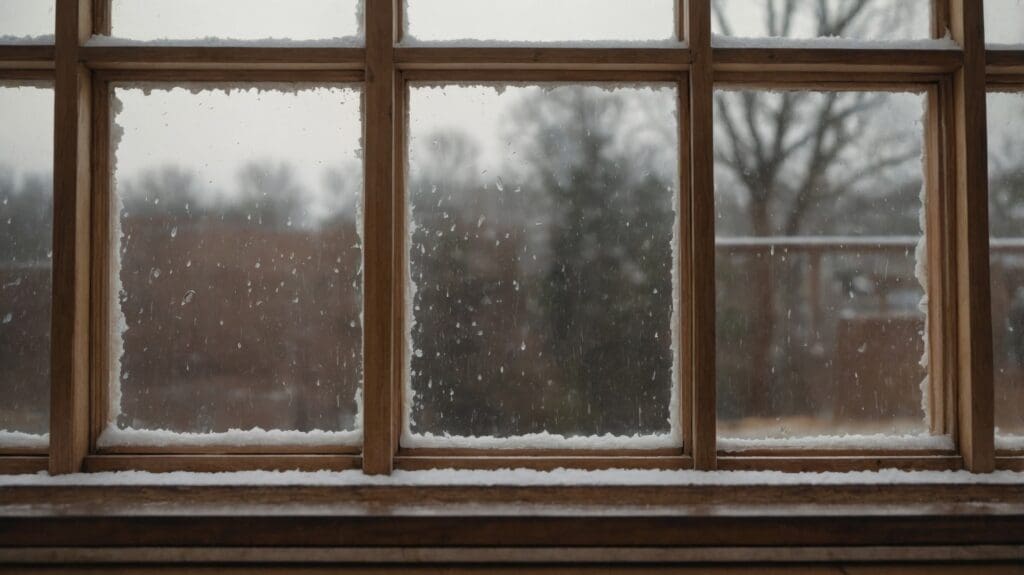
Similarly to a coat that’s been left unbuttoned, gaps in your caulk and weatherstripping can let cold air into your home. This not only increases your heating bill, but it can leave you feeling chilled when you’re supposed to be comfortable and cozy! Weatherstripping can prevent drafts and is one of the easiest and most budget-friendly ways to manage your heating and cooling costs throughout the year. However, the material is prone to deteriorating over time so it’s important to inspect it every once in a while. What better time than fall, right as the weather begins to cool down? An easy way to check for an air leak is to hold a lit candle near the frame while being careful not to light anything flammable on fire. If the flame begins to flicker at any spot along the frame, this is an indicator that you may have a leak on your hands.
Test Your Winter Equipment
The worst time to realize that your snowblower isn’t working is when there are several inches of snow in your driveway! Make sure your generator is fueled up and ready to go should you need it because you never know what Mother Nature is going to throw your way. It’s much easier to test your appliances and equipment before the air is frigid as well. Take advantage of a moderately warm fall day and make sure you’re stocked up on propane, extra firewood, and so on. A few hours of preparation can go a long way throughout the autumn and winter months.
Inspect Your Roof
Oftentimes, when there’s an issue with your roof you may not notice until water starts dripping from the ceiling! Stop problems before they begin and before ice and brisk winter winds damage your shingles even more by conducting periodic inspections. This can be done from the safety of the ground using a handy pair of binoculars, which allows you to get a closer eye on shingles and any potential damage around your vents and chimney. Take note of any missing shingles or ones that are curled or otherwise damaged or warped. Experts note that if you have a roof-mountain TV antenna, there may be wires holding it into place. Check to see if there are any loose or missing wires. If your antenna is no longer being used, consider just removing it altogether.
Give Your Boilers and Radiators a Once-Over
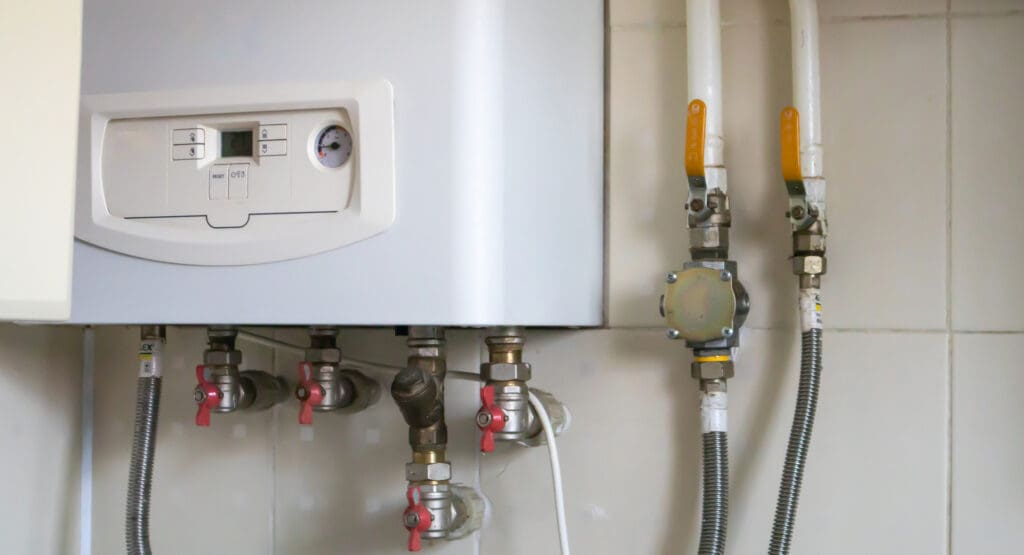
If your home uses central heating, it’s a good idea to give your system an inspection before you turn it back on for the season. Give your local professional HVAC technician a call to schedule an appointment. Booking an annual service before the weather begins to change is a pro tip for homeowners. While repairing or upgrading your heating system isn’t always top of mind when the weather is warm, getting a jump on winter can save you stress later on. If your technician recommends a replacement, consider the newer hydrogen-ready boilers that offer a lower carbon footprint. During an inspection, the thermostat will be tested, pressure levels checked and filters will be inspected and replaced when necessary.
Add a Protective Layer to Any Exterior Woodwork
If your home boasts a beautiful deck area where you enjoy entertaining throughout the summer months, it may be time to give the wood a bit of love before the cold, wet weather sets in. This not only protects your investment in the long run, but it can protect your wood from mold, mildew, and those annoying pests that can cause rot. Fall is a great time to add a layer of wood stain or a clear sealant, which can be effective at creating a barrier between the wood and the damage caused by water and sun. Before applying this layer, make sure to thoroughly clean the deck as any debris will simply be sealed to the wood if left unattended. Winterizing your outdoor wood can be an easy weekend DIY project if you want to save some cash by not calling in the professionals. When you properly winterize a deck, you’ll find that it’s easier to clean and maintain.
Change Out Your Filters
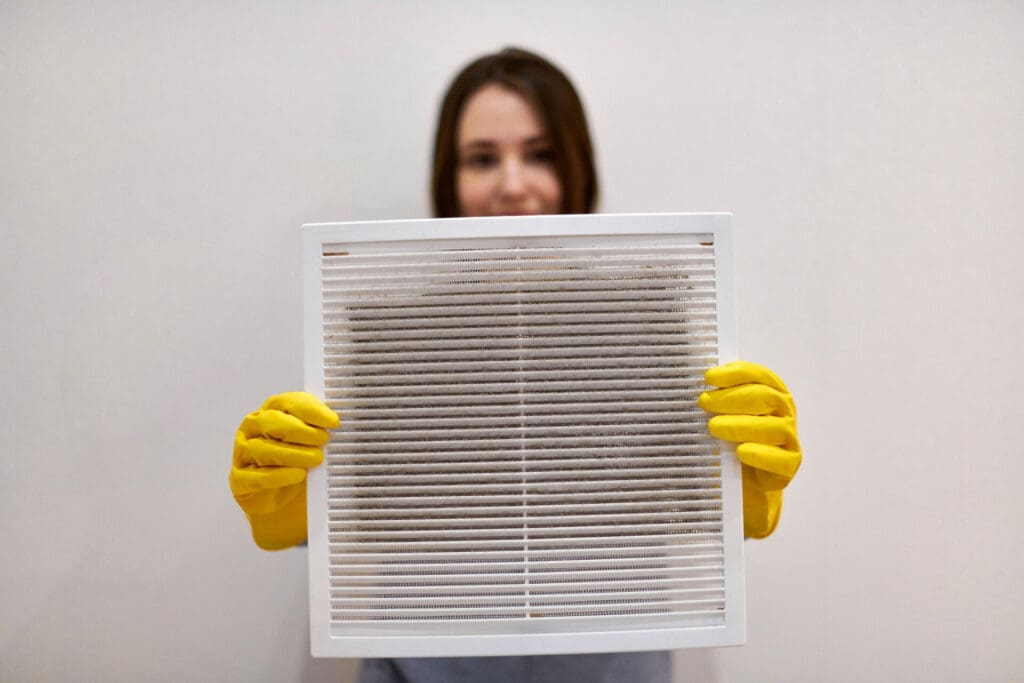
Heater and furnace filters trap dust that would otherwise be on your carpets, furniture, countertops, and other surface areas around your home. Once these filters become clogged, it makes it difficult for the system to maintain a comfortable temperature in the home. This can lead to an increase in your utility bills. Generally, disposable filters can be cleaned once before they need to be replaced — so use the fall season as an opportunity to use the soft brush attachment on your vacuum cleaner to clean the debris off, or just go ahead and replace the filter altogether if it’s past cleaning. You’ll thank yourself later when your system doesn’t have to work as hard, saving you money and potential repair costs!
Cover Up Your Outdoor Furniture & Plants
If you don’t expect to sit outside as much during the fall and winter months, it can be helpful to cover your outdoor furniture to protect it from the rain and snow. If you expect high winds, it’s also a good tip to make sure the furniture is weighed down or moved into the garage if possible. The same goes for plants that aren’t as hardy. Your delicate, tropical plants are going to be significantly more susceptible to cold temps and frost, leaving them prone to wilting and dying. If the plants are on the smaller side and portable, consider rehoming them indoors for the coming months. If you don’t want to mess with the hassle of covering plants during the winter, check out some outdoor perennials that are hardy enough to survive the cold weather!
Double Check Your Home’s Safety Detectors
With the furnaces getting fired up and the portable heaters coming out, fall is the perfect time to check your fire detectors and carbon monoxide detectors. After all, you need to be confident that they’ll work when you need them the most. This can provide peace of mind to homeowners, especially those with families. Check batteries and replace them as needed and keep an eye on the expiration date! Smoke detectors are typically good for about a decade and CO detectors for around 6 years. At this point, the sensors begin to lose their sensitivity and the detectors won’t be able to work as reliably. It’s not recommended to go past this date, as this can lead to at best, an unnecessary risk and at worst, a disaster in the making.
Winterize Your Pipes
If you haven’t already, winterizing your outdoor water lines and faucets can make a big difference when temps drop below freezing. If you have an in-ground irrigation system, you’ll need to study the manual to see whether the system can be drained or if it needs to be blown out with an air compressor. Winterizing outdoor faucets involves shutting off the water line and opening the tap (or installing outdoor faucet covers). Drain out your portable items, such as hoses and fountain pumps, and keep them in the basement or in the garage during the winter months so they’ll be ready to use again in the spring.
Fertilize & Water Your Lawn to Prep for the Colder Months

Just because the weather is cooling off doesn’t mean that your lawn doesn’t need to be watered in autumn. Though the growing season is winding down and your grass is likely growing noticeably slower, fall watering sessions can help your grass recover from the stress of the summer heat and gain much-needed strength for the winter ahead. If you choose to fertilize in the fall, watering is necessary to allow the fertilizer to dissolve and soak into the ground. Don’t put the hoses and sprinklers away until the ground begins to freeze! Some lawn experts recommend aerating the soil in the fall too. Doing this twice a year can help your grass soak in nutrients and water more effectively. You can rent a lawn aerator at many of the big box home and garden stores and tackle this DIY project within a day!
Clean Your Chimney
How often you need to have your chimney cleaned can depend on the moisture content of the wood you typically burn. For instance, if you’re burning mostly green logs — your chimney should be cleaned/inspected after every 50 or so burns. Green logs, also known as wet logs, will often have moisture bubbling out from the wood when they’re burning. These logs are notorious for sending lots of smoke up the chimney, where it can build up as soot. Dry logs burn hotter and cleaner, so you can schedule a cleaning after every 70 or so burns. Opt for hardwoods such as oak, maple and birch when possible. If you haven’t had an inspection done in years, it’s probably best to go ahead and get one scheduled either way. Chimney sweeps may have to use special tools and chemicals to loosen hardened layers of buildup if the chimney hasn’t been cleaned frequently enough.
Make Your Home Fall-Ready by Deep Cleaning!
While many people associate a seasonal “cleaning spree” with spring cleaning, a fall clean can be just as important! Get ready for the colder months by making your home as cozy as possible. Oftentimes, people spend more time indoors during the fall and winter months so it only makes sense to ensure that your space is inviting, relaxing, and comfortable. In fact, it’s best to choose a cloudy fall day to clean your windows, as the sun is prone to leaving dry water marks on windows and surfaces. These stubborn smears can really ruin the vibe when you settle in for a fall gathering or a movie night with the family.
Happy Fall, Omaha!
Maintenance and preparation are the not-so-secret keys to keeping your home running smoothly throughout the year but especially as the weather begins to dip and you’re starting to use your fireplace, furnace, or other heating source more frequently. Invest some time this fall season into crafting a checklist and running through it so you aren’t caught in an emergency in the dead of winter.